

Federal appeals court dismisses DOJ bid to block California ballots as Bay Area officials push back
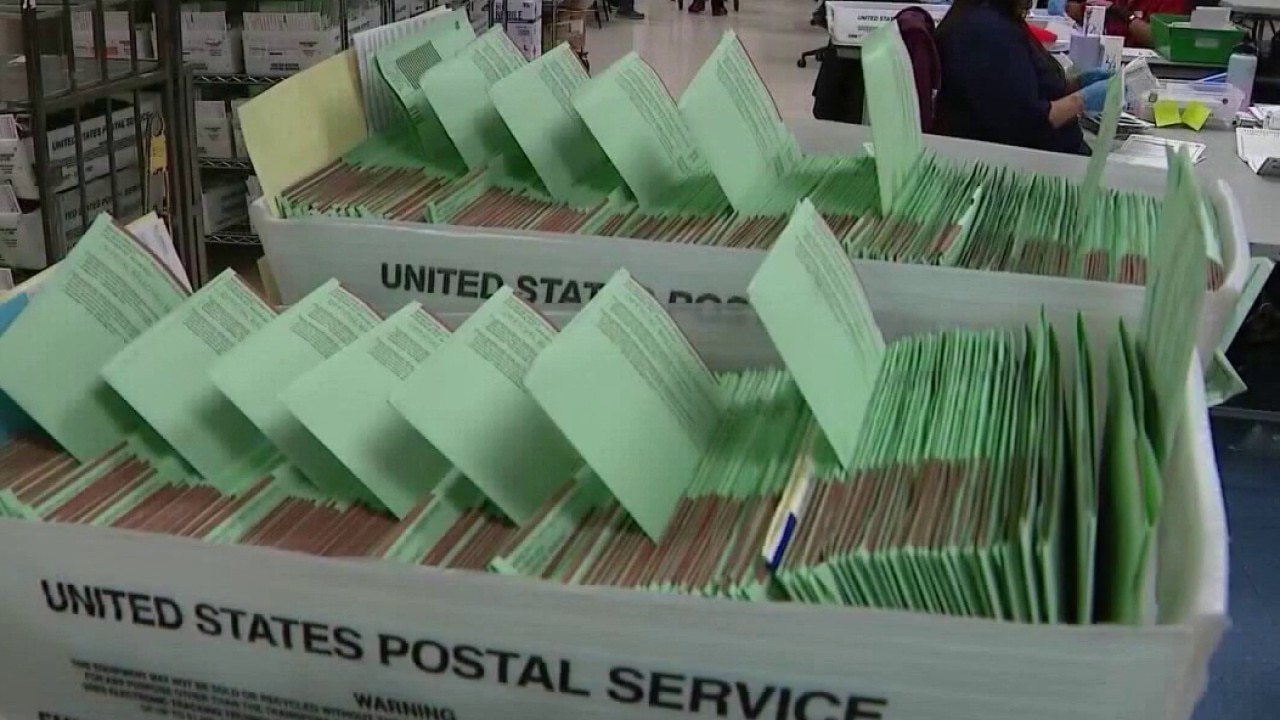
Federal appeals court rejects DOJ ballot request as Bay Area election officials push back
A federal appeals court rejected the Trump administrations emergency request to stop California from counting certain mail-in ballots from voters suspected of being noncitizens. Election officials in Contra Costa, Solano and Santa Clara counties are challenging the DOJs demands, raising concerns about inaccurate voter lists and potential disruptions ahead of Election Day.
LOS ANGELES - An appeals court on Monday declined to rule on whether California elections officials can count roughly 20,000 ballots that the Justice Department alleges belong to noncitizen voters.
Appeals court ruling on alleged noncitizen voting
The decision sets the federal government and state officials up for another legal showdown on the matter on Tuesday in front of a federal district judge, giving the federal government a very short window to compel California to sequester votes before the Nov. 3 elections.
The Republican administration sued election officials in the heavily Democratic state in mid-October, accusing them of failing to meet a 48-hour deadline to review a list of 20,000 people it alleged were likely noncitizens on the state's voter rolls. The administration asked the judge to stop the state from counting those ballots until immigration status checks could be completed.
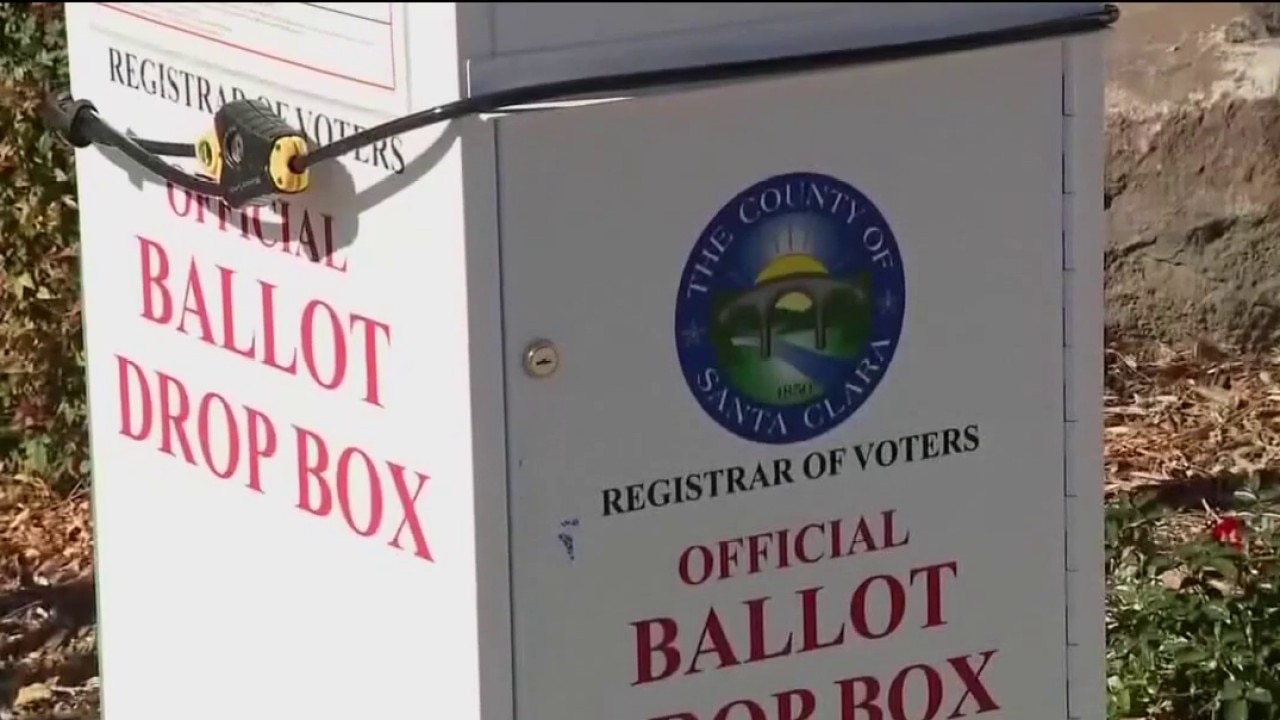
Federal court rules against DOJ in suit over California voter roles
An appeals court on Monday declined to rule on whether California elections officials can count roughly 20,000 ballots that the Justice Department alleges belongs to noncitizen voters. Tony Lopresti, Santa Clara County Counsel says this has been a disturbing attempt by the federal government to interfere in elections.
After a district judge had scheduled an Oct. 27 hearing on the issue, the federal government appealed to the 9th Circuit Court, arguing that a faster decision was needed to prevent the further counting of votes.
But two of the three 9th Circuit Court judges rejected that argument on Monday, writing that the federal government "failed to allow the district court adequate opportunity to consider" their initial request to sequester the ballots in question.
The Justice Department didn't immediately respond to an emailed inquiry.
Bay Area counties push back on DOJ demands
Election officials in the Bay Area, including Santa Clara, Contra Costa and Solano counties are pushing back against the Justice Department's demands, questioning the accuracy of its voter lists and reassuring residents that ballots are being processed as usual.
In Santa Clara County, the DOJ identified 902 suspected noncitizen voters and demanded access to their confidential registration records. Federal officials also directed the county to set aside their ballots until their citizenship could be verified.
Santa Clara County Counsel Tony LoPresti said the federal government lacks the authority to impose those requirements.
"Essentially, what the federal government is doing is insisting that our registrar of voters violate the law. Moreover, they're saying that we have to segregate the ballots, but there's no basis for us to do that," said LoPresti. "Again, we have to carry out an elections process ethically according to the laws that exist, not on the basis of some random letter that the DOJ sends to us based on an unsubstantiated list of voters, which, by the way, has been shown to be flawed."
In Contra Costa County, the DOJ identified 407 suspected noncitizen voters. Election officials say they are continuing to process ballots under existing procedures unless a court orders otherwise.
"You can vote with the utmost confidence. We have many security protocols in place at our office. We are processing ballots already. We will continue to process ballots. For us, you know, what we want people to do is vote," said Dawn Kruger of the Contra Costa County Clerk-Recorder-Elections Department.
In Solano County, the DOJ identified 170 names. Registrar of Voters John Gardner said his office reviewed a sample and found that 55% of those checked were no longer eligible to receive ballots, including people who had died. Those individuals had not been sent ballots for the November election.
The remaining individuals in the sample were registered voters, Gardner said. The review did not establish that they were noncitizens.
Gardner said complying with the federal government's demands would be extremely difficult, particularly given the 48-hour deadline imposed on counties.
He explained that county election offices do not have direct access to federal citizenship databases and normally rely on verification procedures through the California Secretary of State's office. Counties also cannot simply declare voters ineligible or set aside their ballots without appropriate legal authority, such as a court order.
"I would hope that voters that are hearing this would attribute this to kind of noise that's out there. We're not making any changes. We're not jeopardizing anybody's record. If you have voted in the past, we would fully expect you to participate the way that you always do," said Gardner.
California Governor Newsom's statement
California Governor Gavin Newsom issued a statement on Monday, following the 9th Circuit Court of Appeals' ruling. He called the ruling a "positive development" and a welcome "speed bump" to President Trump's "disgusting attacks on the Constitution and our country's democracy."
"Trump is illegally trying to seize powers in the Constitution entrusted to others so he can stay in power. This lawsuit is just the latest step," Newsom said.
Newsom encouraged Californians to participate in Democracy by voting early and going to a voting center and putting their ballot in a dropbox.
California's AG Rob Bonta's statement
California's Attorney General, Rob Bonta, issued a statement in the aftermath of the appeals' court ruling.
"The U.S. Constitution gives states and Congress — not the President or the Executive Branch — the power to determine the time, place, and manner of elections," Bonta said. He said the court's decision is an important step in allowing California to run fair and secure elections. "
"All the evidence — counts, recounts, hand counts, audits — shows that voter fraud is exceedingly rare." Bonta said California has safeguards in place to protect election integrity.
Political observers and analysts weigh in
What they're saying:
Tony Lopresti, Santa Clara County Counsel, said on KTVU's The Four that this was a disturbing attempt by the federal government to interfere in elections. He added that the counsel for the DOJ in court could not say where the list of 20,000 alleged noncitizen voters came from, only that it was purchased from a third party.
"The federal government is not under strong footing in any elements of their challenges whether we're looking at California or Alaska," said David McCuan, Sonoma State University political science professor.
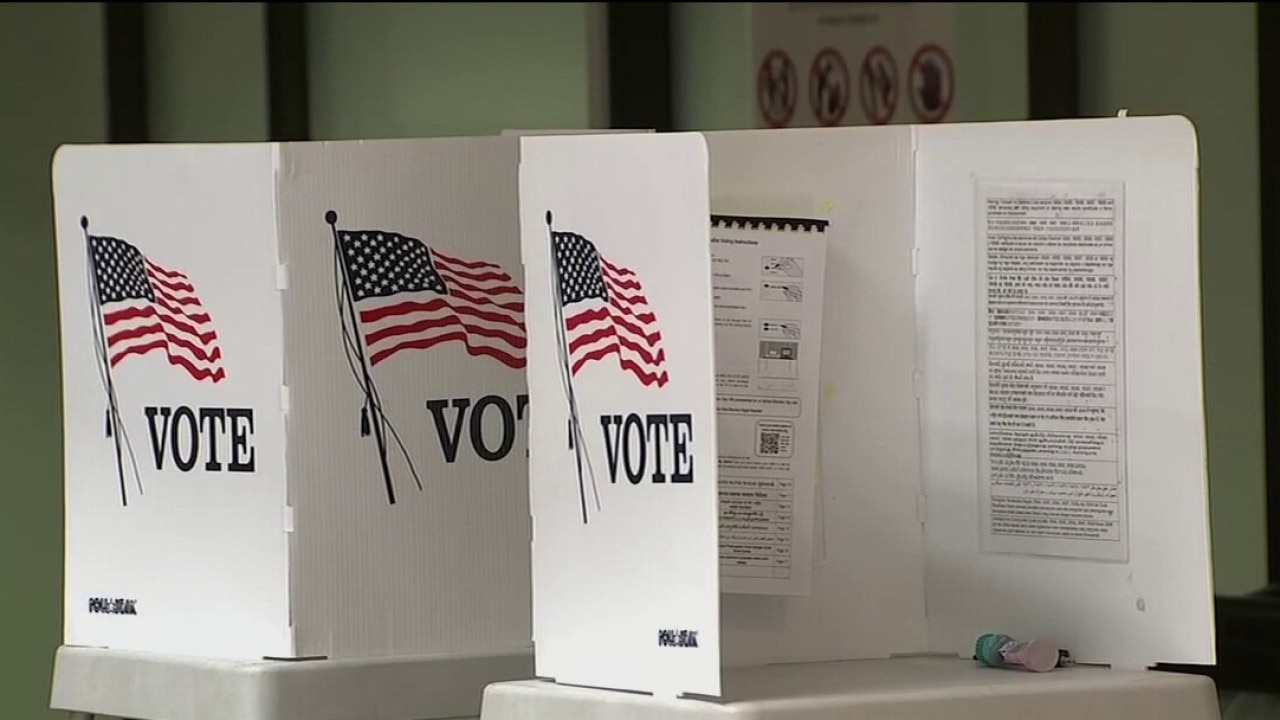
Dispute over alleged non-citizen voter ballots
Sonoma State University Political Science Professor David McCuan on the 9th Circuit Court of Appeals decision on Monday with regards to a dispute over some 20,000 ballots in the State of California. The Department of Justice alleges they belong to noncitizen voters and thus should be invalid.
McCuan's interpretation of today's 9th Circuit Court decision is that the court is saying the speed at which the federal government wants to operate is suddenly questionable.
"The government pushing all of a sudden to have these names erased or taken out and then provide proof later as to whether or not they are supposed to be on the voters roles is not how the process works," said McCuan. "This is about creating election interference. For California to kick people off of the [voter] rolls is something that has to happen more than 90 days out from the election."
McCuan also cites the Purcell Principle, that would not allow the DOJ to interfere in an election on the state level 90 days before an election.
What's next:
The next hearing on California's ballot dispute is set for Tuesday. McCuan said the hearing will likely reject what the federal government has said. "This could end up in the Supreme Court by the end of the week," McCuan said. "Something to watch and whether the Supreme Court takes up any actions literally at that point will be just a few days before the November 3 election."
Featured
Election 2026: What to know about the November midterm key races
Election 2026 will determine which party controls Congress, with Republicans defending narrow majorities in both the House and Senate.