

Judge ends federal oversight over Oakland PD after 23 years, longest in US history

Judge ends federal oversight over Oakland PD after 23 years
A federal judge on Tuesday ended court oversight over the Oakland Police Department, thus closing out a chapter on the longest oversight in U.S. history.
OAKLAND, Calif. - A federal judge on Tuesday ended court oversight over the Oakland Police Department, thus closing out a chapter on the longest oversight in U.S. history.
Oakland police federal oversight ends
What we know:
U.S. District Court Judge William H. Orrick said he is dismissing the 23-year-old historic lawsuit against the city with prejudice.
And he said that oversight over the police department should not come from a federal courtroom – it should come from the people.
He said he did not want to extend oversight for another year, as was proposed by some.
"It's important for the federal court to get out of the way," Orrick said.
What this means is that the civil rights attorneys who sued Oakland nearly a quarter-century ago, and the federal monitor and judge, no longer have a say over what OPD does.
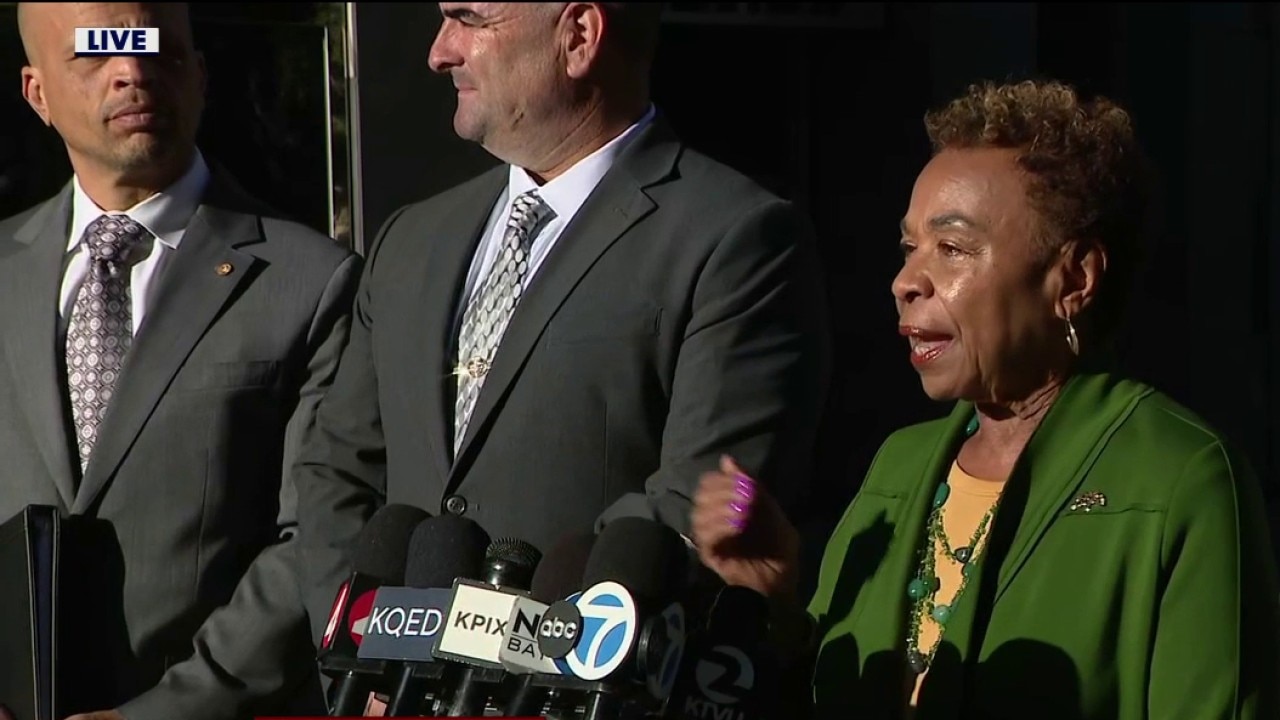
Oakland Mayor Barbara Lee on end of federal OPD oversight
Oakland Mayor Barbara Lee and the chief of police spoke after a federal judge ended the more than 20-year federal oversight of the Oakland Police Department. The department was sued in 2000 in connection to the Riders scandal where some officers beat up and framed Black and brown men.
What we don't know:
Instead, the Oakland Police Commission – a body of citizen volunteers – will take on that role, despite cries from community members that it is underfunded, something the mayor told the judge she would address.
But how this will play out exactly remains to be seen.
And in a rare address, federal monitor Robert Warshaw spoke in the courtroom, remembering the "horrific" time more than 20 years ago when Black and brown men were humiliated, and police officers couldn't police themselves.
Over time, however, Warshaw said he saw improvements in supervision, technology, and accountability in police leaders.
"Please strive for excellence," Warshaw said out loud to the officers. "Today is not a ceiling. It's a floor. It's not the end of something. It's a beginning."
OPD had slipped
Dig deeper:
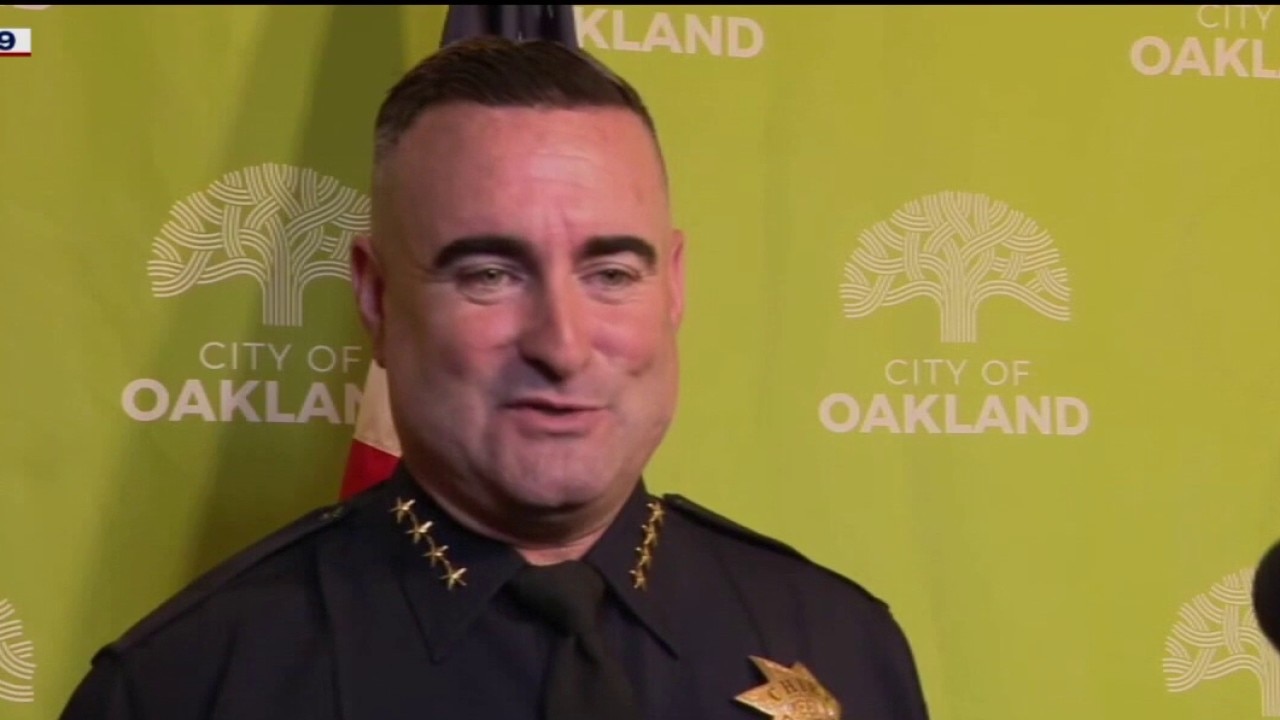
Oakland Police Chief James Beere to be officially sworn in
City leaders and community members will gather at Oakland City Hall on Wednesday to officially swear in James Beere as Oakland's permanent police chief.
Orrick had been poised to end the oversight outright until Warshaw noted last month that OPD had slipped on one of its 51 police reforms it was mandated to complete when Oakland entered a "Negotiated Settlement Agreement" in 2003.
Specifically, Warshaw found that during the first three months of 2026, OPD completed 83% of its most serious Internal Affairs investigations within the required six-month timeframe. The benchmark is 85%.
At the hearing, Oakland Police Chief James Beere told the judge that many of these IA cases started to occur in 2024 and 2025.
And he explained that he didn't want to sacrifice the integrity of the IA investigations for the sake of a timeline.
Many of these cases are officer-involved shootings, and he cited the fact that some officers have been criminally charged stemming from these investigations.
These cases are complex and far-reaching, Beere said, and the expectations of these cases are different than they were long ago.
Still, Beere said he takes full responsibility, and noted that there is much better communication with the city as these cases progress. He said he is still working on improving technology to further streamline the process.
"We did slip a little bit," Beere told the judge. "But we own our mistakes."
Civil rights attorneys ‘cautiously optimistic’
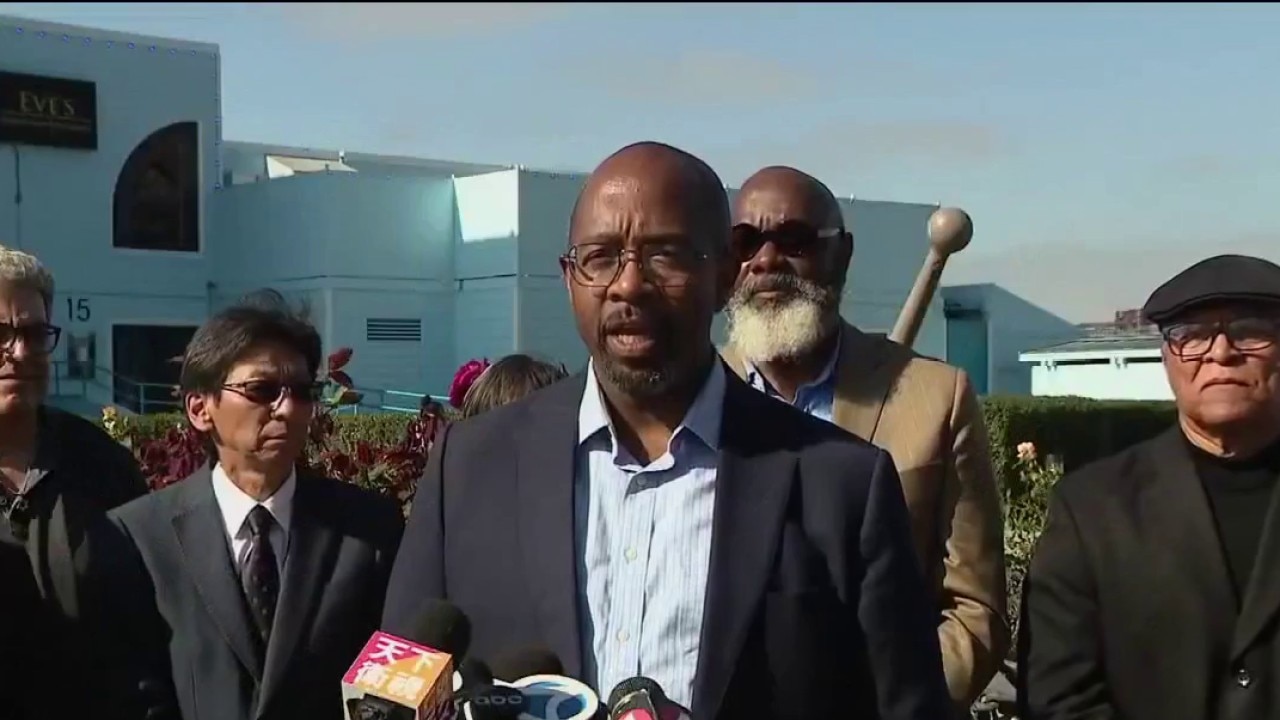
Community leaders push for end to federal oversight of Oakland police
A broad coalition of community leaders is calling for an end to the 23-year federal court oversight of the Oakland Police Department, saying the city can take over the responsibilities of ensuring that reforms continue.
What they're saying:
Before the judge's decision, civil rights attorneys Jim Chanin and John Burris, who sued Oakland in 2000 over what's known as the Riders scandal where some police officers beat up and framed Black and brown men, had urged the judge to extend oversight for one more year, putting the Oakland Police Commission as the lead oversight body during this period.
Chanin had reservations about that 2%, noting to the judge that the benchmark is 85% – not %100 – and that means more cases than what has been audited are not completed within the mandatory 180 days. The city countered that sometimes these IA cases miss the deadline because they are extremely thorough in investigating their own.
Chanin also had qualms with the fact that Black officers are disciplined at twice the rate as white officers.
Still, he said he was "cautiously willing to end the NSA today."
He recalled that in the first nine years of the settlement, the city of Oakland and OPD "did absolutely nothing, hoping we would go away."
Finally, when Sean Whent became police chief in 2013, Chanin said OPD began "taking us seriously," and made "steady" progress "with some hiccups."
Burris referenced Greek mythology in his speech to the judge; saying he and Chanin had "pushed the rock" as far as they could up the mountain, and now it's OPD's turn.
"I have concerns. I am not of the view that everything is perfect," Burris said. "But at this point, it's the city's turn."
He said he feels comfortable now that the current officers on staff won't pull people over just because they're Black or brown. He said he now feels officers are properly supervised, and the command staff have a sense of accountability.
And if things go wrong, Burris said he'll do what he always does: "I'll sue."
Oakland, OPD say they're ready
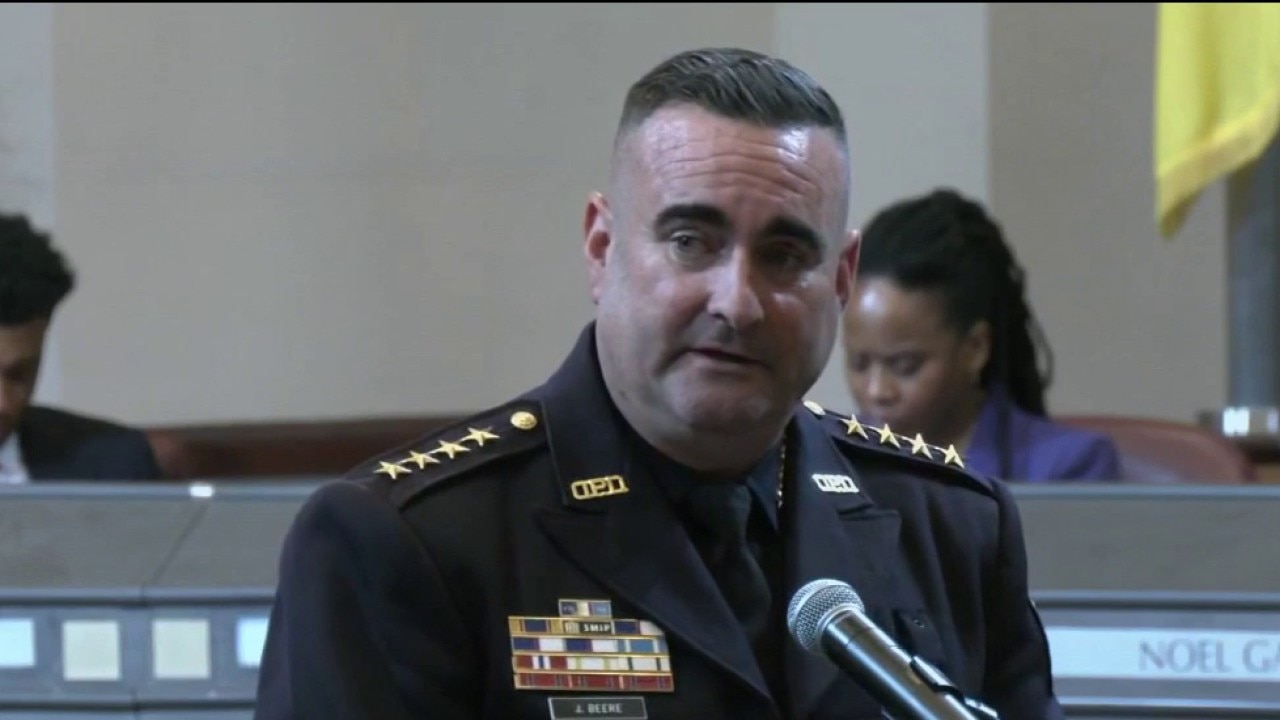
Oakland police chief sworn in, vows to ensure 'everyone feels safe'
James Beere, a 29-year veteran of the Oakland Police Department, was sworn in as police chief at City Hall.
The other side:
Most all the other stakeholders, however, including Beere, Oakland Mayor Barbara Lee, former Mayor Libby Schaaf, former police chief LeRonne Armstrong, the head of the Oakland police union, and many other community groups, including Safe Oakland, wanted oversight to finally end.
"This is a different police department today," said Rockne Lucia Jr., the attorney who represents the police union.
Lucia noted that in the beginning, more than 20 years ago, he and the civil rights attorneys were "arch enemies."
But he then credited both of them for not infringing on the union's due process rights and "their fortitude in bringing this to conclusion."
Lucia also said that the officers have come to "embrace" the goals of the reforms and are optimistic about the current leadership, and will hold constitutional policing at its "highest order."
After the court hearing, the Oakland police union said this is a new beginning for the department and the city.
"This has been a long road," said the new interim union president, Cesar Leyva. "The end of federal oversight marks an important new beginning for the Oakland Police Department. It recognizes the progress that has been made and returns responsibility for the future of policing in Oakland to the department, the city and the community it serves."
In a post-court hearing news conference late Tuesday afternoon, Oakland Mayor Barbara Lee and Chief Beere spoke briefly. Lee echoed the union's sentiment.
"This is a new police department," Lee said. She said the work of the mayors who preceded her and that of the many police chiefs since the onset of the federal oversight have led up to this day.
Beere, speaking alongside the mayor, said it was an historic day for both the police department and the community. He pledged that going forward the department would do things, "safely, constitutionally, and in the principles of 21st-century policing."
Oakland's special counsel, Brigid Martin, said "there has been a lot of uncertainty about what will happen today."
But what isn't uncertain, she vowed, is what Oakland will do in the future: She said the police reforms made over the last 23 years are "not a temporary obligation. It's the core of Oakland's policing model."
The Source: Information for this story comes from the court hearing, court documents and prior KTVU reporting.