

Public health officials confirm 18 Legionella infections connected to Kaiser Permanente Santa Clara
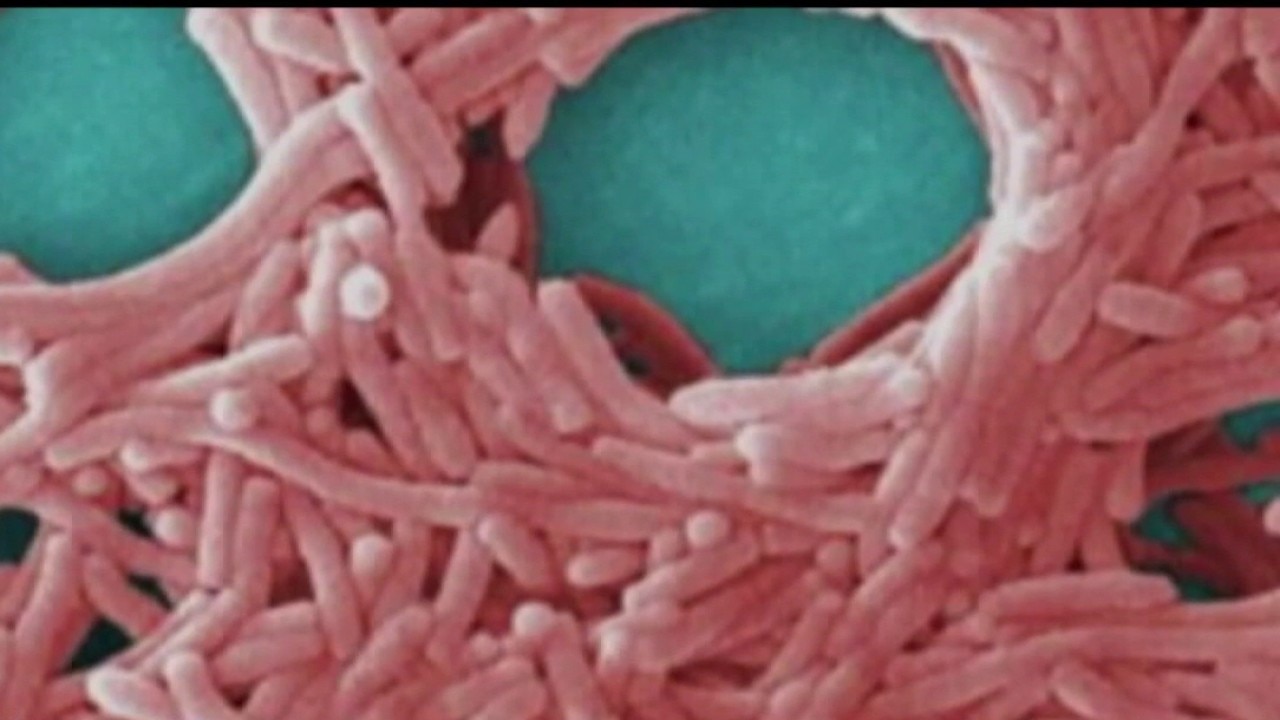
18 cases of Legionella infections confirmed at Kaiser Permanente Santa Clara
There have been 18 cases of Legionella infection reported at the Kaiser Permanente Santa Clara facility. The bacteria grows in water but cannot be transmitted person-to-person. The infection causes pneumonia-like symptoms. The hospital has implemented improved water treatment procedures, and remains open while experts work to determine the source
SANTA CLARA, Calif. - An investigation is underway at Kaiser Permanente Santa Clara after an outbreak of legionella infection. 18 cases have been reported to Santa Clara County public health officials so far.
The bacteria were first detected during a routine internal monitoring process, Kaiser Permanente announced in a press release. It is unclear if the infected individuals were patients, staff or visitors.
"Legionella bacteria occur naturally in water and are spread by inhaling contaminated mist, not through person-to-person contact," a release from the company states. "While we work to determine the source, out of an abundance of caution, we have implemented additional water treatment measures and have taken preventive measures to ensure the safety of all patients, employees, and visitors."

Legionella source
Dig deeper:
Kaiser Permanente Santa Clara is continuing to treat patients while experts try to trace the source of the bacteria.
Legionella bacteria occur naturally in lakes and rivers, as well as in human-made water systems, including shower heads, sink faucets, hot tubs, decorative fountains, and large, complex plumbing systems.
"It loves warm water. Humans can get it through mist in contaminated water systems," Dr. Peter Chin-Hong, a UCSF Infectious Disease Specialist said. "The bacteria can cause a whole host of things from very mild to serious. When it's serious, it's called Legionnaire's disease. Usually you get pneumonia, but you can also get nausea, vomiting and diarrhea. So it's kind of the lung and the gut together."
The California Department of Public Health states that small water droplets or mist from these sources can contain Legionella bacteria, which can infect people with Legionnaires’ disease, a pneumonia-like infection, or Pontiac fever, a milder illness.
"It can be deadly, but in the order of 10-30% in those who are most seriously at risk," Chin-Hong said.
At risk
What we know:
Legionellosis, the general name given to infections caused by the bacteria, cannot be transmitted from person-to-person. Most healthy people exposed to Legionella do not develop Legionnaires’ disease.
Those at higher risk include:
- Adults over 50
- Current and former smokers
- People with certain health conditions including:Chronic lung disease (including COPD and emphysema)CancerDiabetesKidney or liver failureTreatment with medication that weakens the immune system (including chemotherapy and medicine taken after an organ transplant)
- Chronic lung disease (including COPD and emphysema)
- Cancer
- Diabetes
- Kidney or liver failure
- Treatment with medication that weakens the immune system (including chemotherapy and medicine taken after an organ transplant)
Legionnaires’ disease can cause symptoms including:
- Cough
- Shortness of breath
- Fever
- Chills
- Headaches
- Muscle aches
- Nausea
- Vomiting
- Diarrhea
- Confusion
KTVU's Ann Rubin contributed to this report.
The Source: Kaiser Permanente Santa Clara